

Dos:
- Remove your shoes before entering your local homes, or any temple buildings; look for a pile of shoes at the entrance as a cue.
- Dress modestly in public areas and temples; ensure your shoulders and knees are covered (swimwear is strictly for the beach or pool).
- Return the "Wai" (the prayer-like gesture) with a smile if a staff member greets you this way, as it shows mutual respect.
- Always say "Khop khun" (thank you) to hotel staff, drivers, and servers; expressing gratitude is highly valued in Thai culture and fosters a positive atmosphere during your stay.
- Reuse towels and linens by participating in the "Think first think earth Let's save It" programme to signal you don't need a daily change, saving significant water and energy.
- Practise proper waste segregation by using the designated bins for recyclables and general waste.
- Carry a reusable water bottle to reduce the massive amount of single-use plastic waste.
- Support local artisans by buying souvenirs from community markets rather than mass-produced to ensure your money stays local.
- Appreciate and protect native plants; avoiding the removal of flowers or seeds helps maintain the micro-ecosystems that support urban wildlife.
- Use reef-safe sunscreen (mineral-based like zinc oxide) before swimming to protect fragile coral reefs from toxic chemicals like oxybenzone.
Don’ts:
Don't touch anyone’s head, including children; it is considered the most sacred part of the body and touching it is a major taboo.
- Don't point your feet at people, Buddha images, or the King’s portrait; feet are seen as the lowest part of the body.
- Don't disrespect the Monarchy; avoid making jokes or negative comments about the Royal Family, as it is both offensive and carries legal penalties.
- Don't smoke or use cannabis in prohibited areas; smoking is banned on beaches and in public spaces, and cannabis use is restricted to private areas and licensed venues only.
- Don't leave the air conditioning on when you leave your room; cooling an empty room is the single biggest waste of energy in Thai hotels.
- Don't dispose of sanitary products or wet wipes down the toilet; please use the provided bins to prevent blockages and protect local water systems.
- Don't buy illegal animal products; avoid purchasing ivory, tortoise shell, or items made from protected species, as these support poaching and are illegal to export.
- Don't feed wildlife, especially monkeys or fish; this disrupts their natural diet, makes them aggressive, and causes ecological imbalance.
- Don't take shells or coral from the beach; it is illegal to export these, and removing them deprives the ecosystem of vital calcium and habitat.
Sustainability Do’s and Don’ts (Myanmar)
Dos:
- Remove both shoes AND socks before entering any pagoda or monastery grounds; you must be completely barefoot as a sign of ultimate religious respect.
- Dress with high modesty; ensure your shoulders and knees are covered. A "Longyi" (Burmese sarong) is highly recommended and widely appreciated by locals in the sacred Shwedagon area.
- Use "Mingalaba" (the auspicious greeting) with a gentle bow of the head; it fosters a warm connection with locals and shows respect for Burmese traditions.
- Use both hands (or your right hand supported by your left) when giving or receiving items, especially money; this is a sign of politeness and sincerity.
- Reuse towels and linens by participating in the "Think first think earth Let's save It" programme to signal you don't need a daily change, saving significant water and energy.
- Practise proper waste segregation by using the designated bins for recyclables and general waste.
- Carry a reusable water bottle to reduce the massive amount of single-use plastic waste.
- Support local artisans by buying souvenirs from community markets rather than mass-produced to ensure your money stays local.
- Appreciate and protect native plants; avoiding the removal of flowers or seeds helps maintain the micro-ecosystems that support urban wildlife.
- Use reef-safe sunscreen (mineral-based like zinc oxide) before swimming to protect fragile coral reefs from toxic chemicals like oxybenzone.
Don’ts:
- Don't point your feet at the Shwedagon Pagoda or any Buddha images when sitting; always tuck your legs behind you or sit in a cross-legged position that hides your soles.
- Don't touch a Monk’s robes or a person’s head; the head is the most sacred part of the body, and religious figures must be treated with physical distance and respect.
- Don't take photographs or videos of security personnel, checkpoints, or government buildings; this is strictly prohibited for security reasons and can lead to the confiscation of your device or legal questioning.
- Don't leave the air conditioning on when you leave your room; cooling an empty room is the single biggest waste of energy in Thai hotels.
- Don't dispose of sanitary products or wet wipes down the toilet; please use the provided bins to prevent blockages and protect local water systems.
- Don't buy illegal animal products; avoid purchasing ivory, tortoise shell, or items made from protected species, as these support poaching and are illegal to export.
- Don't feed wildlife, especially monkeys or fish; this disrupts their natural diet, makes them aggressive, and causes ecological imbalance.
- Don't take shells or coral from the beach; it is illegal to export these, and removing them deprives the ecosystem of vital calcium and habitat.
Sustainability Do’s and Don’ts (Japan)
Dos:
- Remove your shoes when entering ski lodge, ryokan, private home, or certain temples; use the provided slippers, but remember to remove those before stepping on tatami mats. - Master the art of sorting waste; Japan has a highly sophisticated recycling system. Follow the detailed icons on bins for PET bottles, cans, and combustible waste.
- Carry a small "trash bag" with you; public bins are rare in Japanese cities. Carrying your litter until you reach your hotel helps keep the streets pristine.
- Practice "Shizuka-ni" (Quietness) on public transport; keep your voice low and switch your phone to "manner mode" to respect the shared social environment.
- Reuse towels and linens by participating in the "Think first think earth Let's save It" programme to signal you don't need a daily change, saving significant water and energy.
- Shower thoroughly before entering an Onsen (hot spring); this is a vital hygiene ritual to keep the communal spring water clean for everyone.
- Support "Omiyage" culture by purchasing regional specialties (Meibutsu) from local farmers and shops, ensuring your tourism spend supports rural economies. - Utilize the excellent public transport network; Japan’s trains and buses are world-class. Choosing them over private taxis drastically lowers your carbon footprint.
- Appreciate and protect native plants; avoiding the removal of flowers or seeds helps maintain the micro-ecosystems that support urban wildlife.
- Use reef-safe sunscreen (mineral-based like zinc oxide) before swimming to protect fragile coral reefs from toxic chemicals like oxybenzone.
Don’ts:
- Don't eat or drink while walking; it is considered impolite and increases the risk of littering. Sit down or stand near the vending machine to finish your snack.
- Don't use excessive water at the Onsen; turn off the tap while lathering to respect the local natural spring resources. - Don't enter a hot spring or public bath if you have visible tattoos without checking the policy first; many traditional venues still restrict tattoos, though "tattoo cover stickers" are increasingly available.
- Don't leave the "Washlet" (electronic bidet) or heated seat on at maximum settings when not in use; adjusting these to eco-mode saves significant electricity.
- Don't disturb the Sakura (cherry blossoms) or autumn leaves; shaking trees for photos damages the health of these culturally significant plants.
- Don't buy illegal animal products; avoid purchasing ivory, tortoise shell, or items made from protected species, as these support poaching and are illegal to export.
- Don't feed wildlife, especially monkeys or fish; this disrupts their natural diet, makes them aggressive, and causes ecological imbalance.
- Don't take shells or coral from the beach; it is illegal to export these, and removing them deprives the ecosystem of vital calcium and habitat.
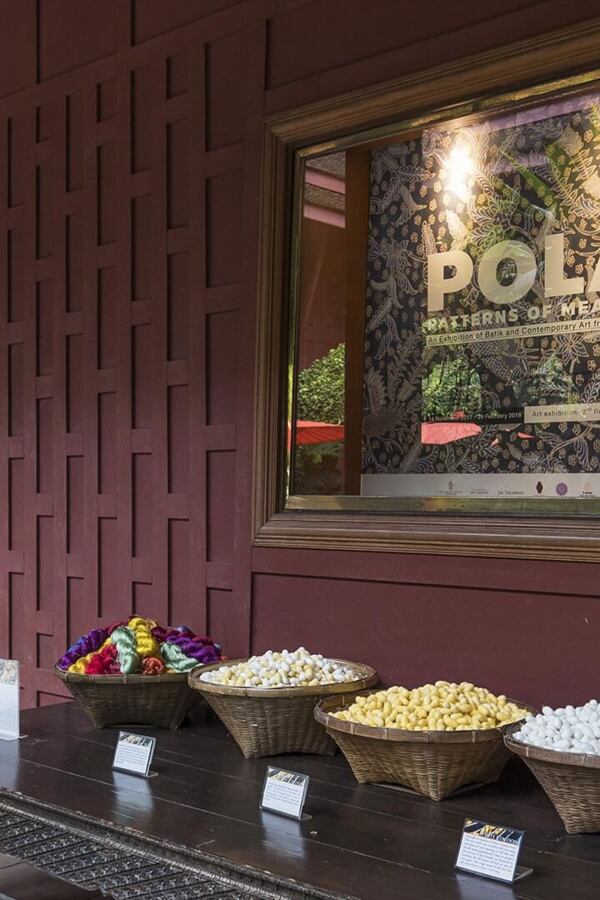
The Jim Thompson House is a must-visit cultural landmark in Bangkok, located near Chatrium Grand Bangkok. This traditional Thai house, once the home of American businessman and silk entrepreneur Jim Thompson, is now a museum showcasing his life, art collection, and contributions to the Thai silk industry.
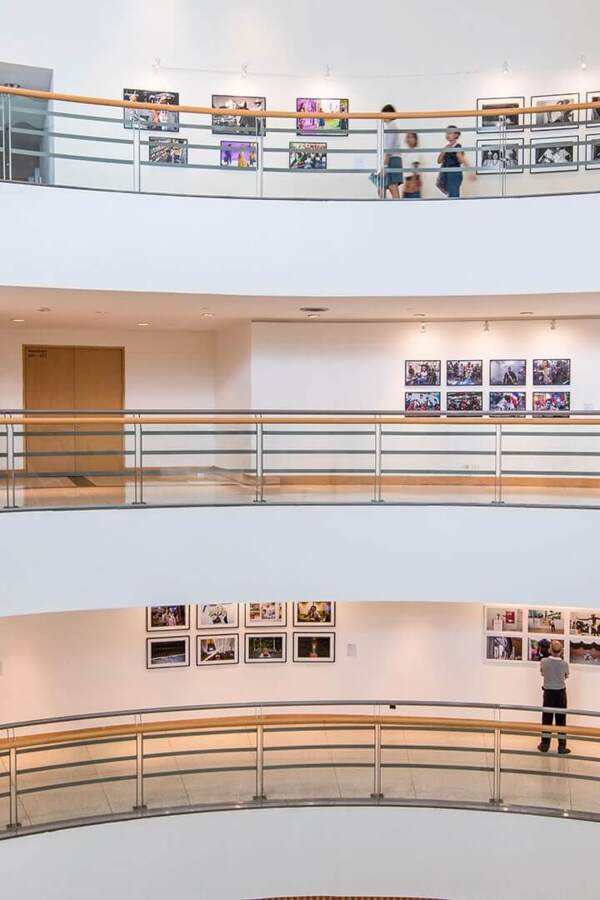
The Bangkok Art and Culture Centre (BACC) is a prominent contemporary arts venue located near Chatrium Grand Bangkok, offering a vibrant mix of exhibitions, performances, and cultural events. It serves as a hub for both local and international artists, showcasing the dynamic and ever-evolving art scene of Bangkok.
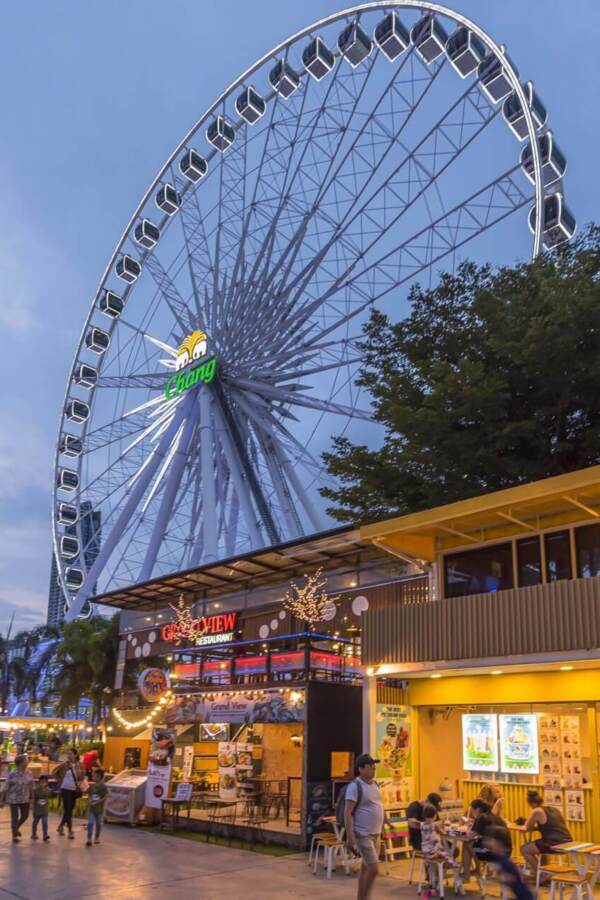
Asiatique The Riverfront is a popular open-air shopping and entertainment complex located along the Chao Phraya River in Bangkok. It offers a blend of modern retail and traditional Thai culture, making it a vibrant destination for both tourists and locals.
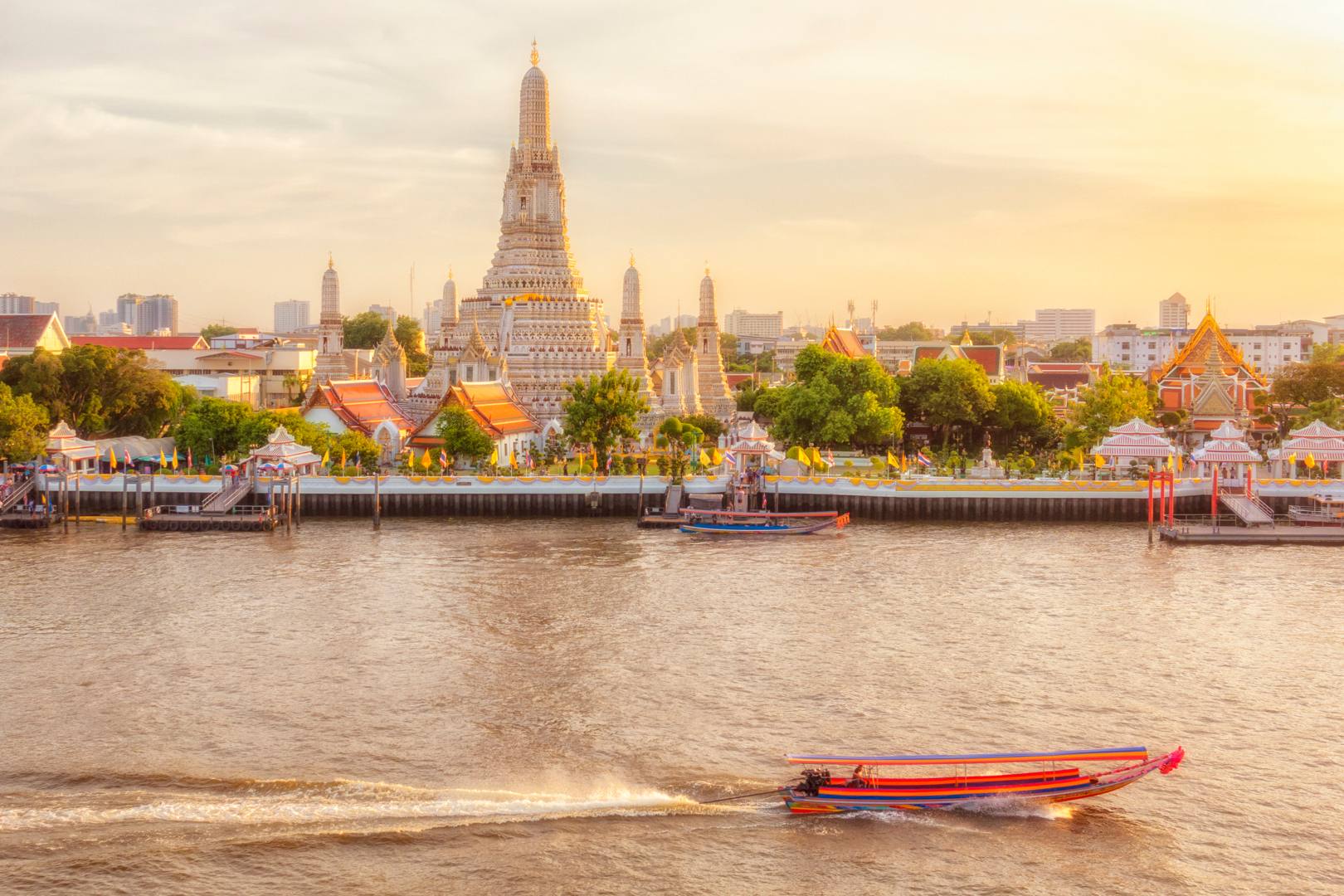
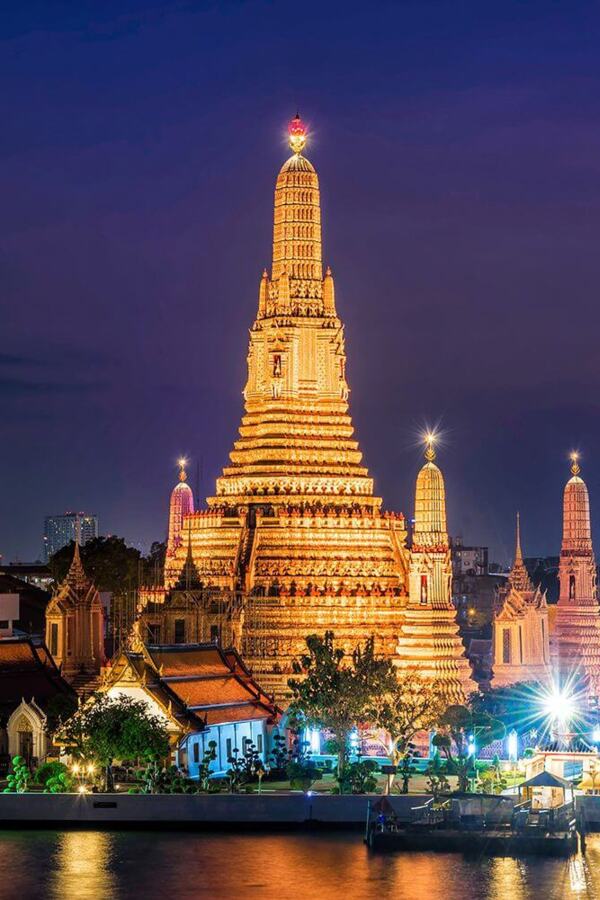
Wat Arun (Temple of Dawn) is a stunning Buddhist temple located on the Chao Phraya River in Bangkok. Known for its towering central spire adorned with colorful porcelain tiles, it offers panoramic views of the river and city. Visitors can explore its intricate architecture, climb the spire, and enjoy beautiful sunrise and sunset vistas.
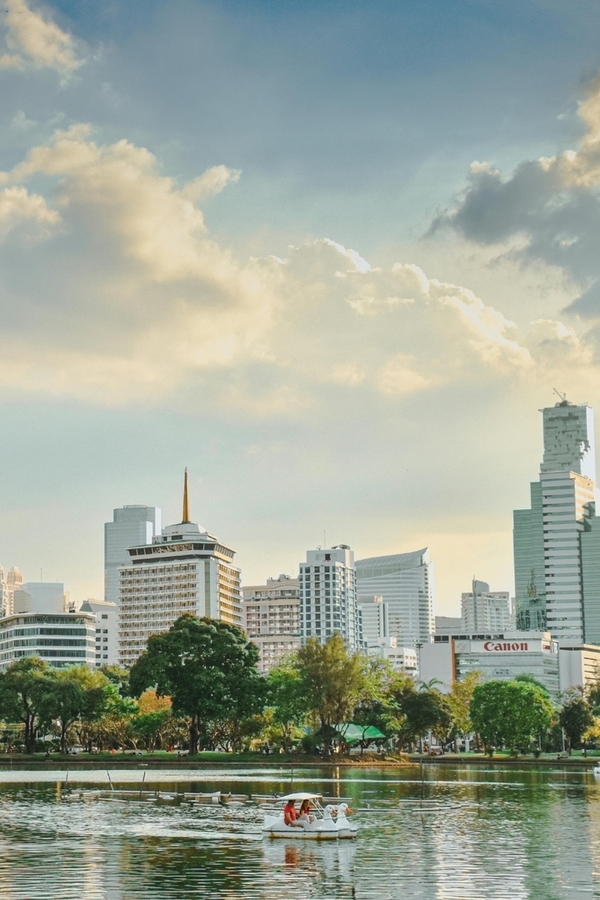
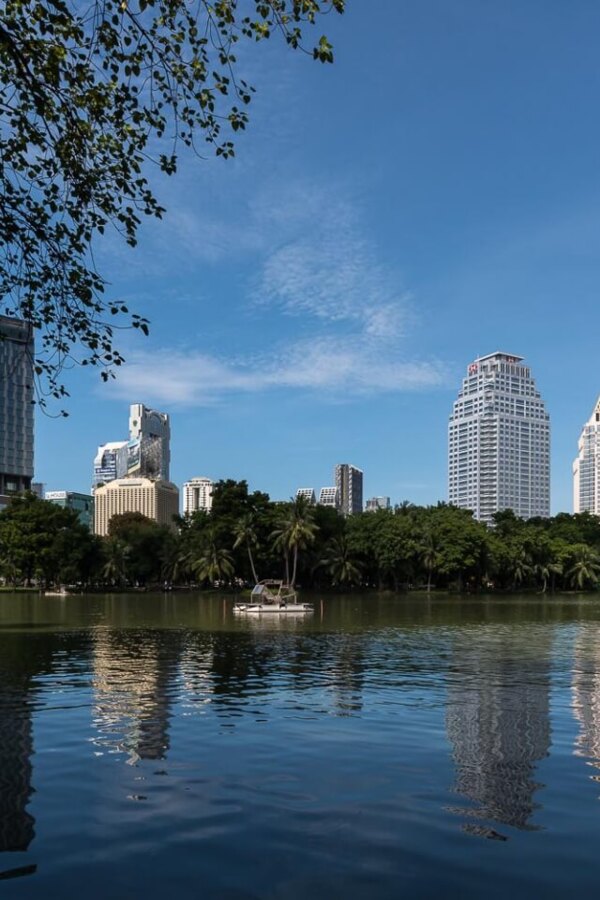
Lumphini Park is a popular urban park in the heart of Bangkok, located just a short distance from Chatrium Residence Sathon. This 142-acre green space is ideal for outdoor activities, featuring jogging tracks, lakes for paddle boating, and spacious lawns. It’s a peaceful retreat, offering a serene environment for relaxation and recreation amidst the city's vibrant energy.
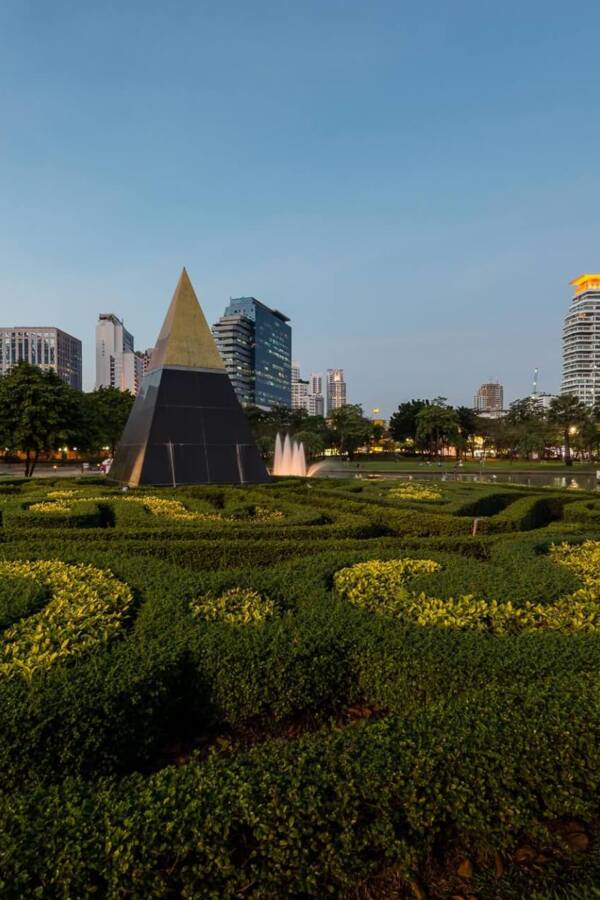
Benjakitti Park is a popular urban park located in the heart of Bangkok, near the Sukhumvit area. It covers 23.6 hectares and offers a peaceful retreat from the city's hustle and bustle. The park features a large lake, scenic walking and jogging paths, cycling lanes, and plenty of green spaces for relaxation. It's especially well known for its beautiful views of the city skyline, making it a perfect spot for morning jogs, evening walks, or a peaceful escape.
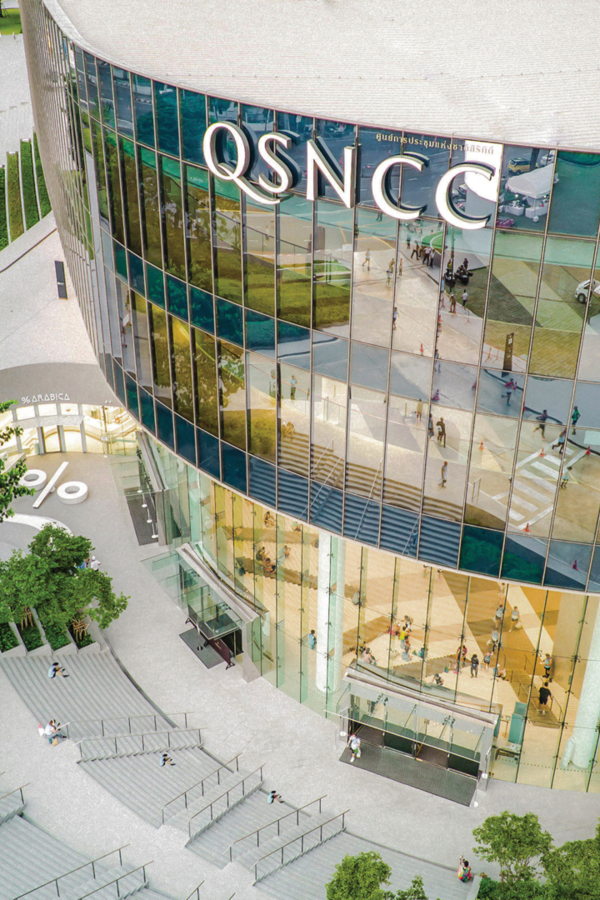
The Queen Sirikit National Convention Center (QSNCC Bangkok) is Thailand’s leading international convention venue, setting the standard for world-class exhibitions, conferences, and lifestyle events. Located in the heart of the city with direct MRT access, QSNCC combines modern facilities with Thai-inspired design, making it a landmark for both business and culture. Recently expanded and fully renovated, the center now offers over 280,000 square meters of versatile space, including exhibition halls, meeting rooms, and grand ballrooms, supported by state-of-the-art technology and services. With dining, shopping, and leisure areas seamlessly integrated, QSNCC is more than a convention center,it is a destination where business meets lifestyle. Whether you are attending a global trade fair, an international summit, or one of Bangkok’s vibrant cultural events, QSNCC Bangkok promises a world-class experience at the heart of Thailand’s capital.
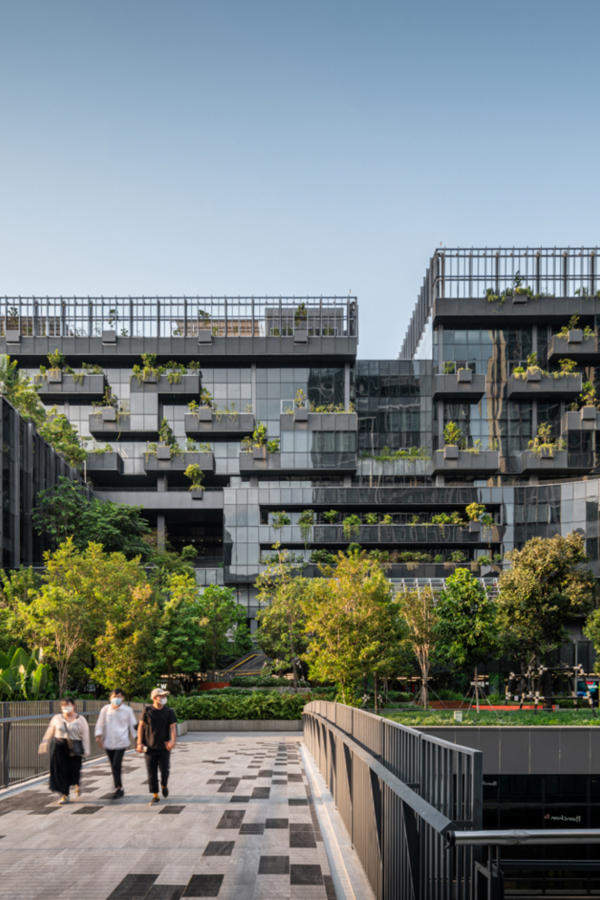
True Digital Park Bangkok True Digital Park (TDPK) is Thailand’s largest digital innovation hub, located in the heart of Bangkok’s Sukhumvit district. Designed as a vibrant ecosystem for startups, entrepreneurs, tech companies, and global innovators, True Digital Park is more than just an office complex—it’s a city within a city where creativity, business, and lifestyle converge. The campus integrates workspaces, lifestyle zones, and green areas, making it an inspiring destination for collaboration and innovation. With co-working offices, event halls, and spaces for networking, True Digital Park has become a hub for Thailand’s fast-growing digital economy. Beyond work, TDPK offers dining, shopping, fitness, and leisure spaces, as well as direct access to BTS and MRT lines. It’s a place where professionals can work, live, and play all in one dynamic environment. Whether you’re attending a tech event, collaborating with startups, or exploring Bangkok’s modern business culture, True Digital Park Bangkok represents the future of innovation in Thailand.
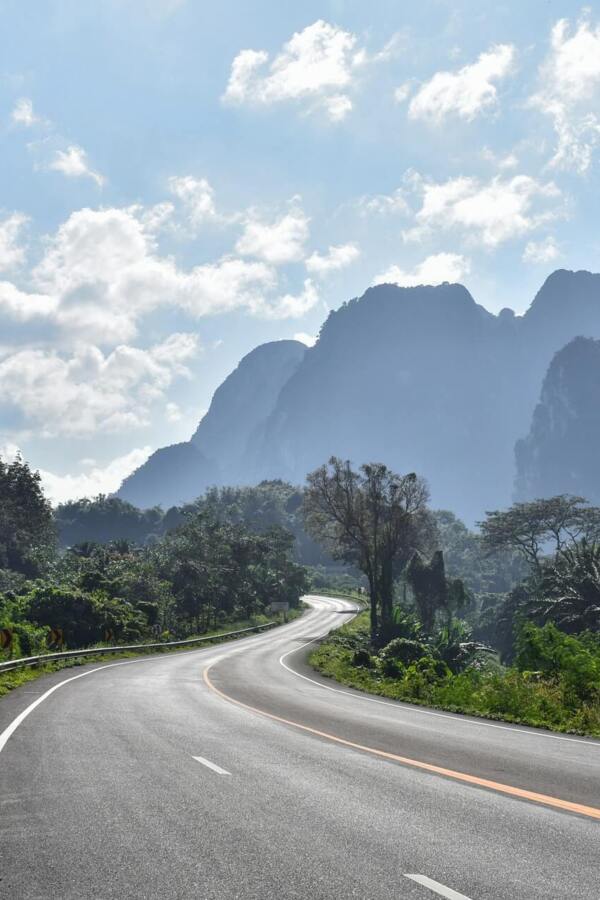
Khao Yai National Park is one of Thailand's most beloved natural attractions and a UNESCO World Heritage Site. Located about two to three hours from Bangkok, this expansive park is renowned for its lush landscapes, diverse wildlife, and beautiful waterfalls.
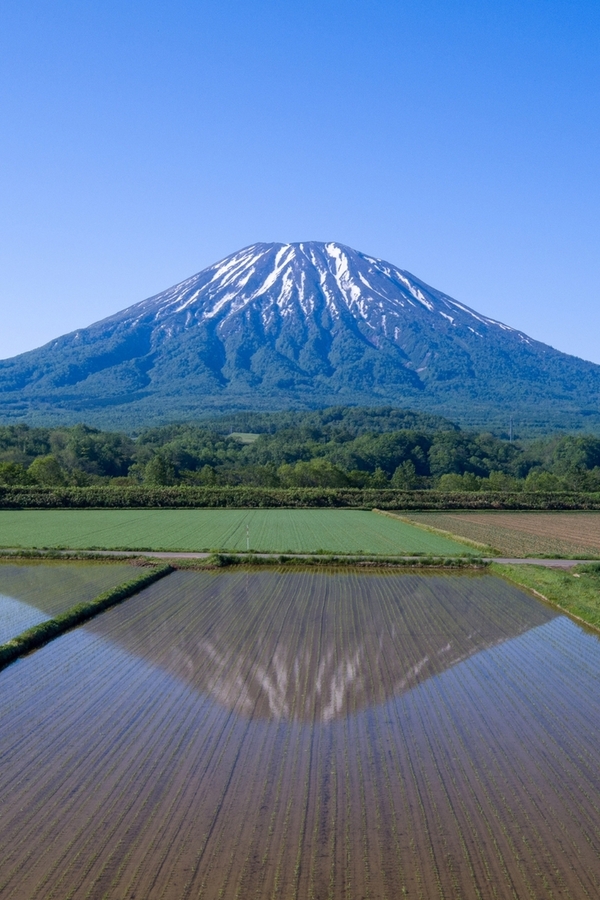
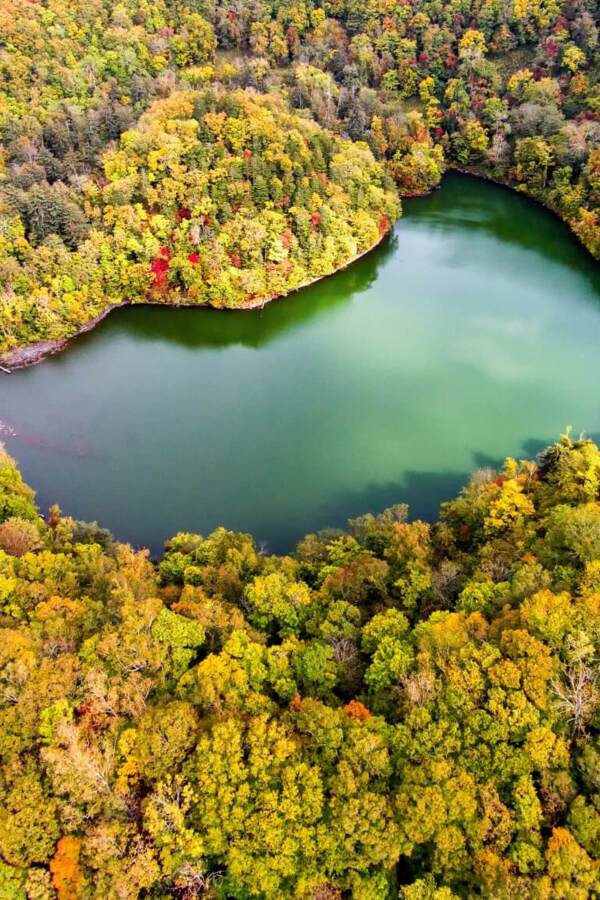
Hangetsu Lake is a stunning volcanic lake located at the foot of Mount Yotei, about a 10-minute drive from Chatrium Niseko. The name "Hangetsu" means "half-moon," reflecting the lake's crescent-shaped appearance when viewed from above. It's a beautiful destination to visit in all seasons, offering a serene environment for nature walks and hikes.
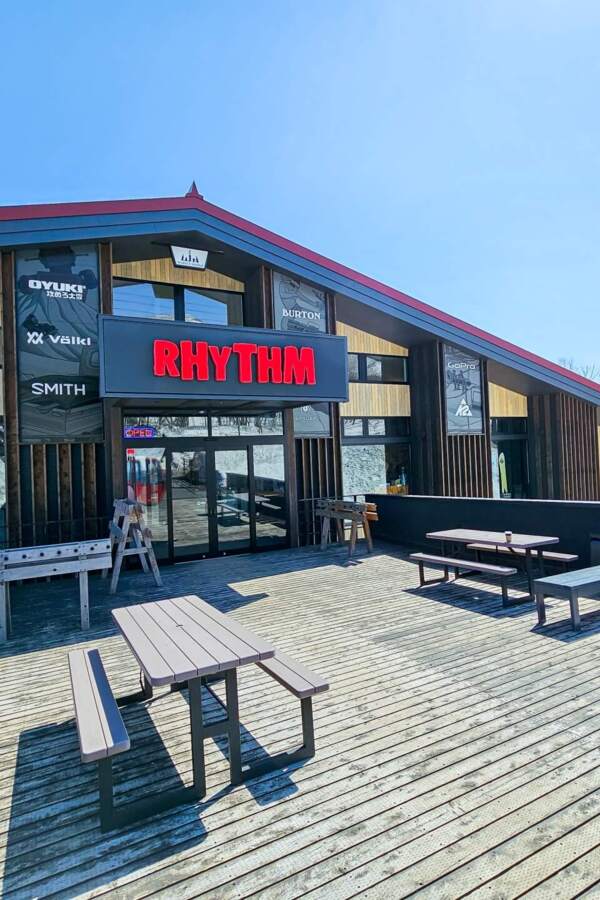
Rhythm Base is a premier snow sports store located just 100 meters from the Hirafu Gondola in Niseko. Established in 2005, it has grown to become one of the most trusted names in the area for high-quality snow sports equipment and excellent customer service. Rhythm Base is known for offering the latest and most reputable brands of skis, snowboards, and related gear, available for both rental and purchase.
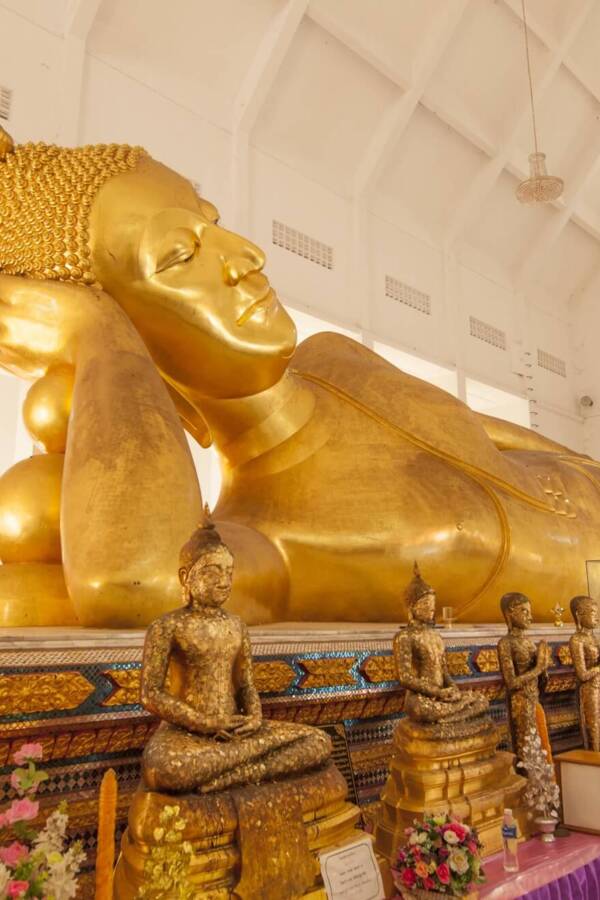
Wat Phai Lom is a historic Buddhist temple located in Chanthaburi, not far from Chatrium Golf Resort Soi Dao Chanthaburi. Known for its tranquil atmosphere, it is a popular place for both locals and tourists seeking a peaceful experience. The temple features impressive architecture, including a large reclining Buddha statue, beautiful murals, and intricate carvings that depict various Buddhist teachings and legends.
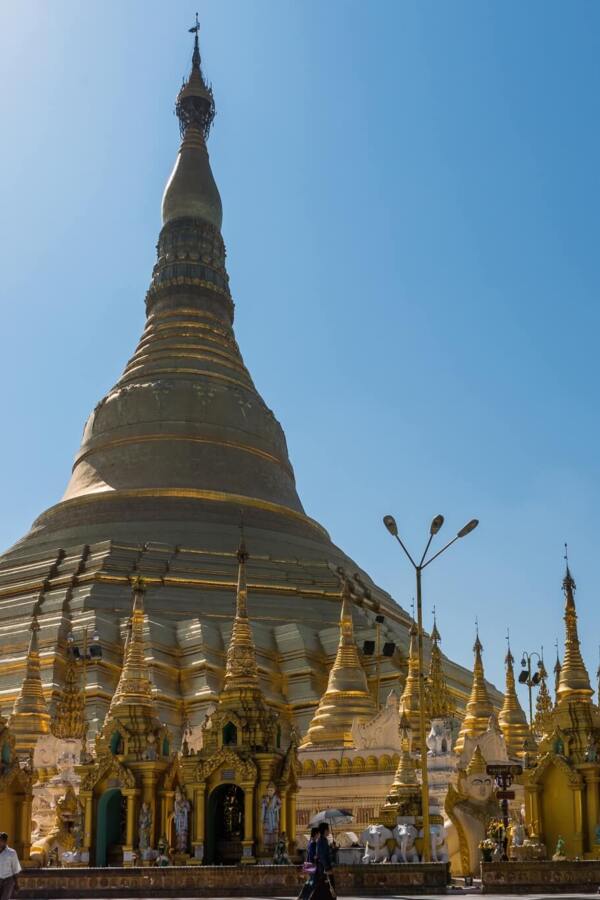
Shwedagon Pagoda is one of the most famous and important religious sites in Myanmar, located in the heart of Yangon. It is a massive golden stupa, standing 99 metres tall, and is considered one of the oldest and most revered Buddhist pagodas in the world. The pagoda is surrounded by a complex of smaller temples, shrines, and statues, making it a hub for both spiritual practices and tourism.
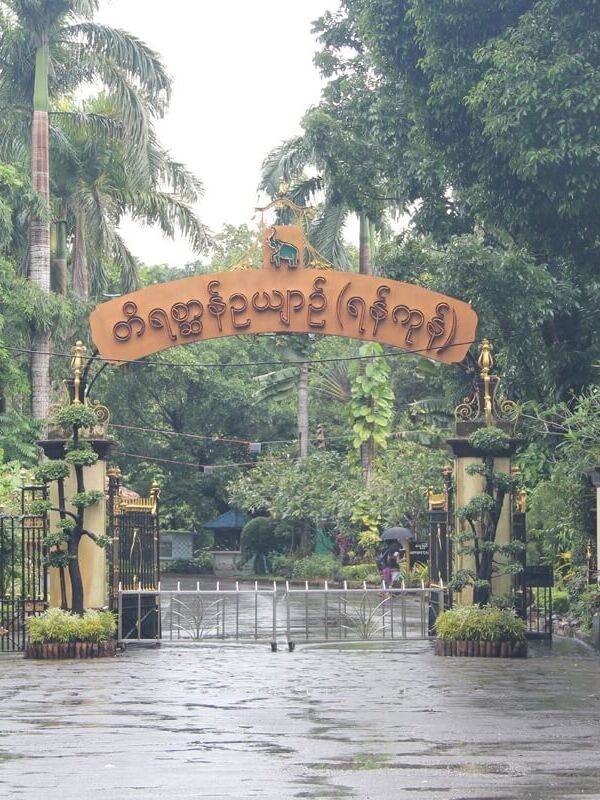
Yangon Zoological Gardens, also known as Yangon Zoo, is another popular attraction near Chatrium Hotel Royal Lake Yangon. The zoo is in the heart of the city, close to Kandawgyi Lake and the Shwedagon Pagoda, making it a convenient destination for families, animal lovers, and those looking to explore more of Yangon’s cultural offerings.