

Dos:
- Remove your shoes before entering your local homes, or any temple buildings; look for a pile of shoes at the entrance as a cue.
- Dress modestly in public areas and temples; ensure your shoulders and knees are covered (swimwear is strictly for the beach or pool).
- Return the "Wai" (the prayer-like gesture) with a smile if a staff member greets you this way, as it shows mutual respect.
- Always say "Khop khun" (thank you) to hotel staff, drivers, and servers; expressing gratitude is highly valued in Thai culture and fosters a positive atmosphere during your stay.
- Reuse towels and linens by participating in the "Think first think earth Let's save It" programme to signal you don't need a daily change, saving significant water and energy.
- Practise proper waste segregation by using the designated bins for recyclables and general waste.
- Carry a reusable water bottle to reduce the massive amount of single-use plastic waste.
- Support local artisans by buying souvenirs from community markets rather than mass-produced to ensure your money stays local.
- Appreciate and protect native plants; avoiding the removal of flowers or seeds helps maintain the micro-ecosystems that support urban wildlife.
- Use reef-safe sunscreen (mineral-based like zinc oxide) before swimming to protect fragile coral reefs from toxic chemicals like oxybenzone.
Don’ts:
Don't touch anyone’s head, including children; it is considered the most sacred part of the body and touching it is a major taboo.
- Don't point your feet at people, Buddha images, or the King’s portrait; feet are seen as the lowest part of the body.
- Don't disrespect the Monarchy; avoid making jokes or negative comments about the Royal Family, as it is both offensive and carries legal penalties.
- Don't smoke or use cannabis in prohibited areas; smoking is banned on beaches and in public spaces, and cannabis use is restricted to private areas and licensed venues only.
- Don't leave the air conditioning on when you leave your room; cooling an empty room is the single biggest waste of energy in Thai hotels.
- Don't dispose of sanitary products or wet wipes down the toilet; please use the provided bins to prevent blockages and protect local water systems.
- Don't buy illegal animal products; avoid purchasing ivory, tortoise shell, or items made from protected species, as these support poaching and are illegal to export.
- Don't feed wildlife, especially monkeys or fish; this disrupts their natural diet, makes them aggressive, and causes ecological imbalance.
- Don't take shells or coral from the beach; it is illegal to export these, and removing them deprives the ecosystem of vital calcium and habitat.
Sustainability Do’s and Don’ts (Myanmar)
Dos:
- Remove both shoes AND socks before entering any pagoda or monastery grounds; you must be completely barefoot as a sign of ultimate religious respect.
- Dress with high modesty; ensure your shoulders and knees are covered. A "Longyi" (Burmese sarong) is highly recommended and widely appreciated by locals in the sacred Shwedagon area.
- Use "Mingalaba" (the auspicious greeting) with a gentle bow of the head; it fosters a warm connection with locals and shows respect for Burmese traditions.
- Use both hands (or your right hand supported by your left) when giving or receiving items, especially money; this is a sign of politeness and sincerity.
- Reuse towels and linens by participating in the "Think first think earth Let's save It" programme to signal you don't need a daily change, saving significant water and energy.
- Practise proper waste segregation by using the designated bins for recyclables and general waste.
- Carry a reusable water bottle to reduce the massive amount of single-use plastic waste.
- Support local artisans by buying souvenirs from community markets rather than mass-produced to ensure your money stays local.
- Appreciate and protect native plants; avoiding the removal of flowers or seeds helps maintain the micro-ecosystems that support urban wildlife.
- Use reef-safe sunscreen (mineral-based like zinc oxide) before swimming to protect fragile coral reefs from toxic chemicals like oxybenzone.
Don’ts:
- Don't point your feet at the Shwedagon Pagoda or any Buddha images when sitting; always tuck your legs behind you or sit in a cross-legged position that hides your soles.
- Don't touch a Monk’s robes or a person’s head; the head is the most sacred part of the body, and religious figures must be treated with physical distance and respect.
- Don't take photographs or videos of security personnel, checkpoints, or government buildings; this is strictly prohibited for security reasons and can lead to the confiscation of your device or legal questioning.
- Don't leave the air conditioning on when you leave your room; cooling an empty room is the single biggest waste of energy in Thai hotels.
- Don't dispose of sanitary products or wet wipes down the toilet; please use the provided bins to prevent blockages and protect local water systems.
- Don't buy illegal animal products; avoid purchasing ivory, tortoise shell, or items made from protected species, as these support poaching and are illegal to export.
- Don't feed wildlife, especially monkeys or fish; this disrupts their natural diet, makes them aggressive, and causes ecological imbalance.
- Don't take shells or coral from the beach; it is illegal to export these, and removing them deprives the ecosystem of vital calcium and habitat.
Sustainability Do’s and Don’ts (Japan)
Dos:
- Remove your shoes when entering ski lodge, ryokan, private home, or certain temples; use the provided slippers, but remember to remove those before stepping on tatami mats. - Master the art of sorting waste; Japan has a highly sophisticated recycling system. Follow the detailed icons on bins for PET bottles, cans, and combustible waste.
- Carry a small "trash bag" with you; public bins are rare in Japanese cities. Carrying your litter until you reach your hotel helps keep the streets pristine.
- Practice "Shizuka-ni" (Quietness) on public transport; keep your voice low and switch your phone to "manner mode" to respect the shared social environment.
- Reuse towels and linens by participating in the "Think first think earth Let's save It" programme to signal you don't need a daily change, saving significant water and energy.
- Shower thoroughly before entering an Onsen (hot spring); this is a vital hygiene ritual to keep the communal spring water clean for everyone.
- Support "Omiyage" culture by purchasing regional specialties (Meibutsu) from local farmers and shops, ensuring your tourism spend supports rural economies. - Utilize the excellent public transport network; Japan’s trains and buses are world-class. Choosing them over private taxis drastically lowers your carbon footprint.
- Appreciate and protect native plants; avoiding the removal of flowers or seeds helps maintain the micro-ecosystems that support urban wildlife.
- Use reef-safe sunscreen (mineral-based like zinc oxide) before swimming to protect fragile coral reefs from toxic chemicals like oxybenzone.
Don’ts:
- Don't eat or drink while walking; it is considered impolite and increases the risk of littering. Sit down or stand near the vending machine to finish your snack.
- Don't use excessive water at the Onsen; turn off the tap while lathering to respect the local natural spring resources. - Don't enter a hot spring or public bath if you have visible tattoos without checking the policy first; many traditional venues still restrict tattoos, though "tattoo cover stickers" are increasingly available.
- Don't leave the "Washlet" (electronic bidet) or heated seat on at maximum settings when not in use; adjusting these to eco-mode saves significant electricity.
- Don't disturb the Sakura (cherry blossoms) or autumn leaves; shaking trees for photos damages the health of these culturally significant plants.
- Don't buy illegal animal products; avoid purchasing ivory, tortoise shell, or items made from protected species, as these support poaching and are illegal to export.
- Don't feed wildlife, especially monkeys or fish; this disrupts their natural diet, makes them aggressive, and causes ecological imbalance.
- Don't take shells or coral from the beach; it is illegal to export these, and removing them deprives the ecosystem of vital calcium and habitat.
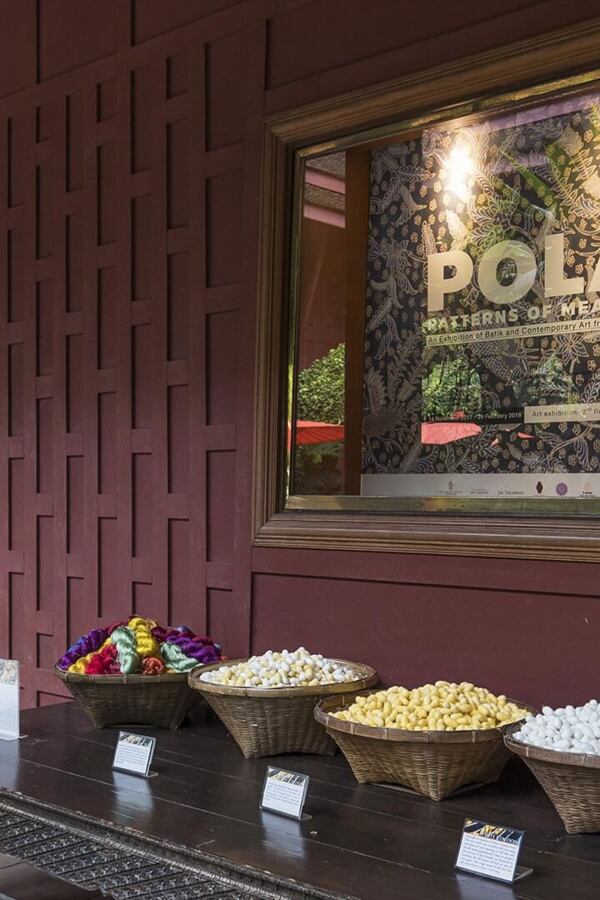
ジム・トンプソンの家は、チャトリウム グランド バンコクの近くにあるバンコクの必見の文化的ランドマークです。この伝統的なタイの家は、かつてアメリカ人実業家でシルクの起業家であったジム・トンプソンの自宅であり、現在は彼の人生、美術コレクション、タイシルク産業への貢献を展示する博物館となっています。
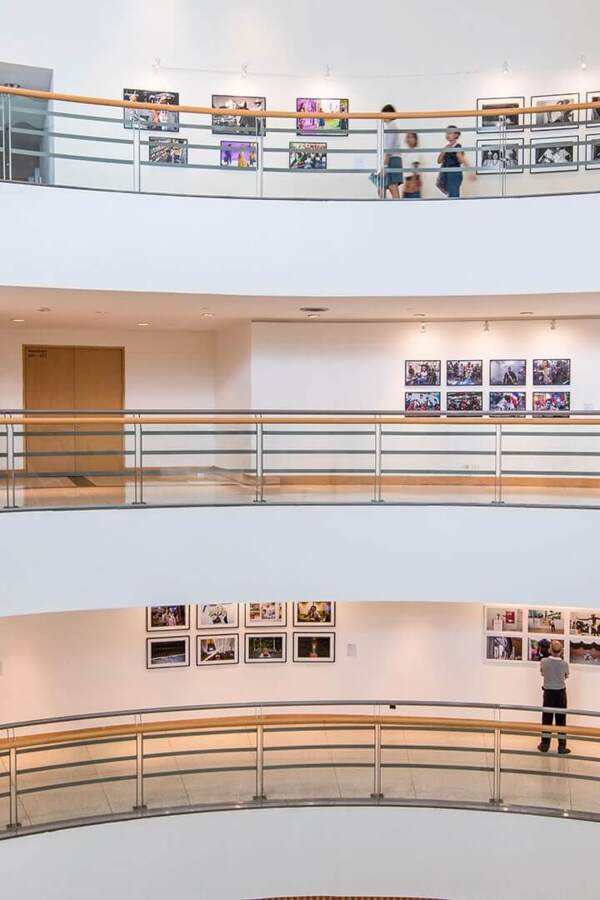
バンコク・アート&カルチャーセンター(BACC)は、チャトリウム・グランド・バンコクの近くに位置する著名な現代芸術の会場で、展示会、パフォーマンス、文化イベントの活気あるミックスを提供しています。地元および国際的なアーティストのハブとして機能し、バンコクの動的で常に進化する芸術シーンを紹介しています。
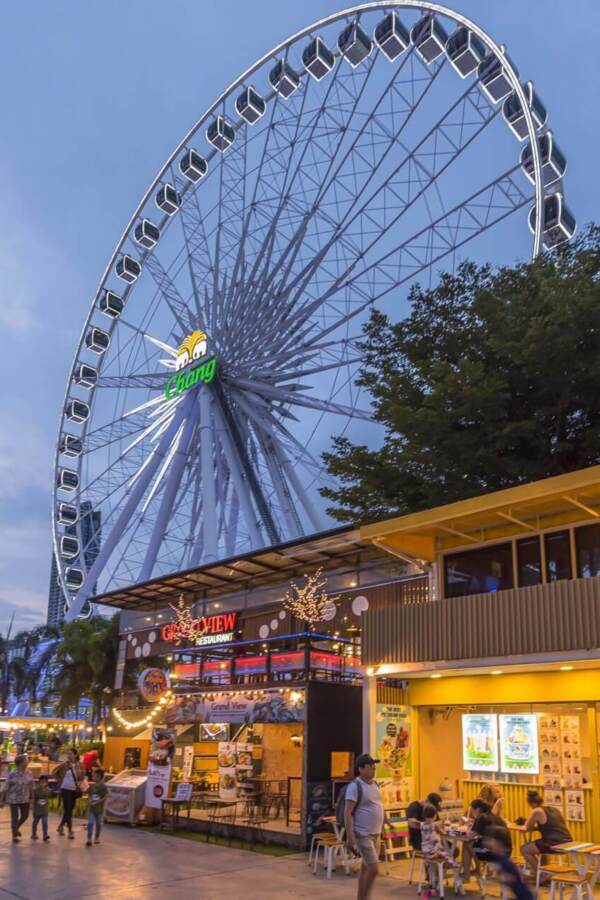
アジアティーク・ザ・リバーフロントは、バンコクのチャオプラヤ川沿いに位置する人気のある屋外型ショッピング&エンターテインメント複合施設です。現代的な小売と伝統的なタイ文化が融合し、観光客と地元民の両方にとって活気ある目的地となっています。
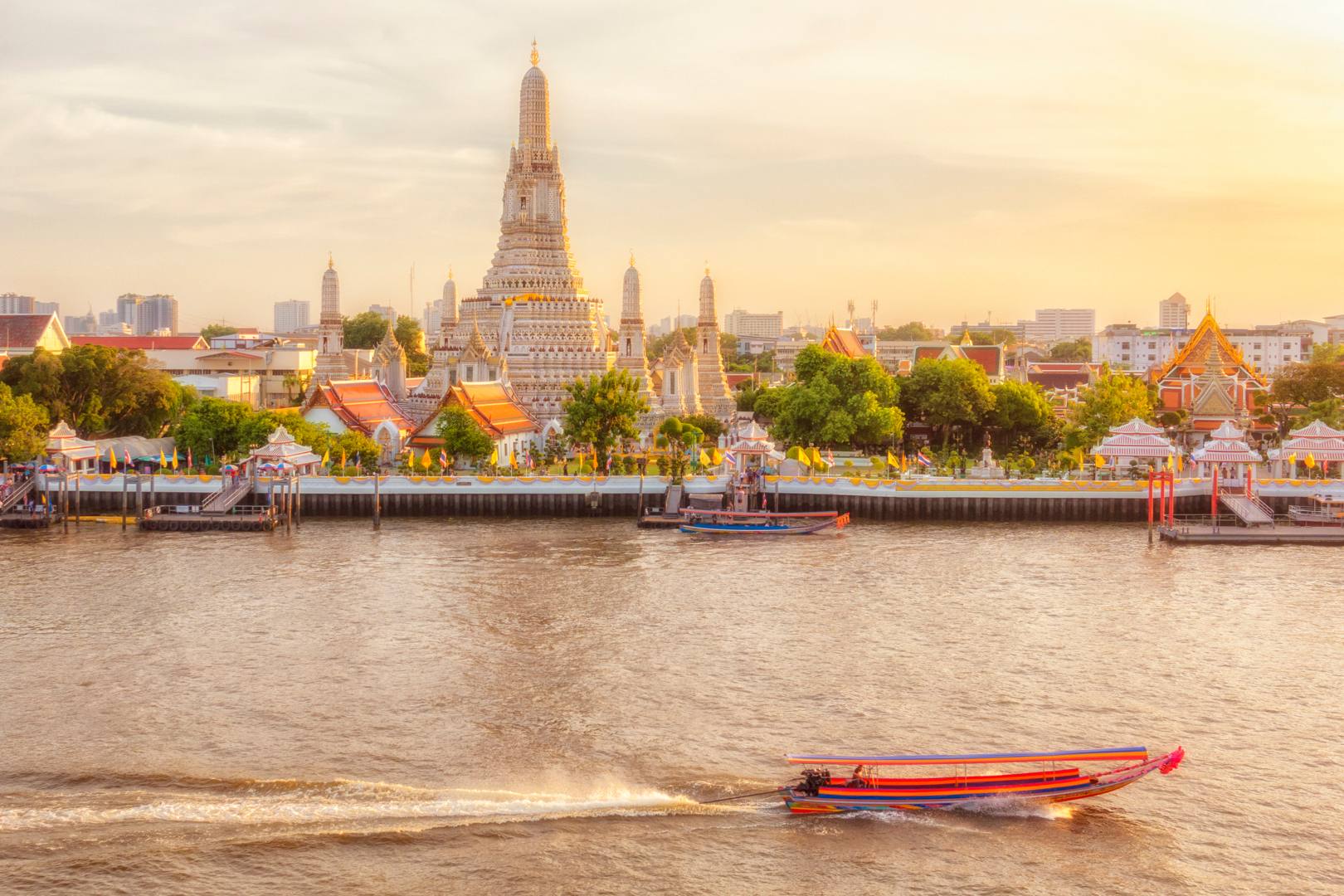
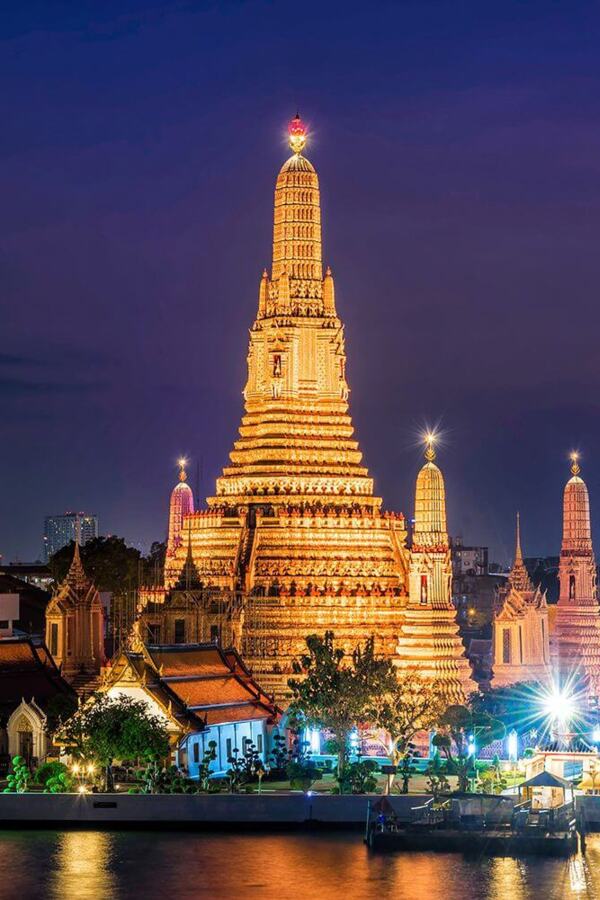
ワット・アルン(暁の寺)は、バンコクのチャオプラヤ川沿いに位置する美しい仏教寺院です。カラフルな陶磁器のタイルで装飾された高い中央の尖塔で知られ、川や街のパノラマビューを楽しめます。訪問者はその精巧な建築を探検し、尖塔に登り、美しい日の出や日の入りの景色を楽しむことができます。
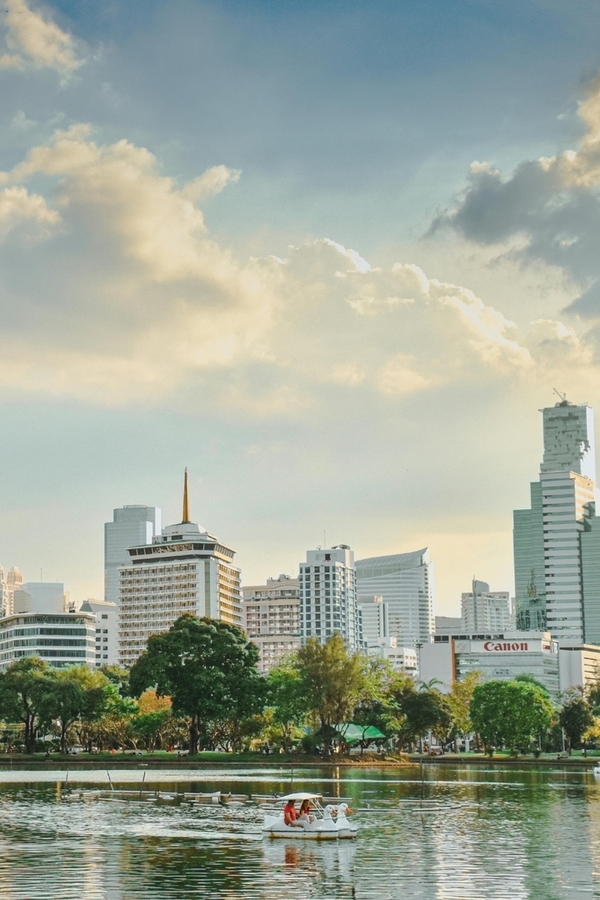
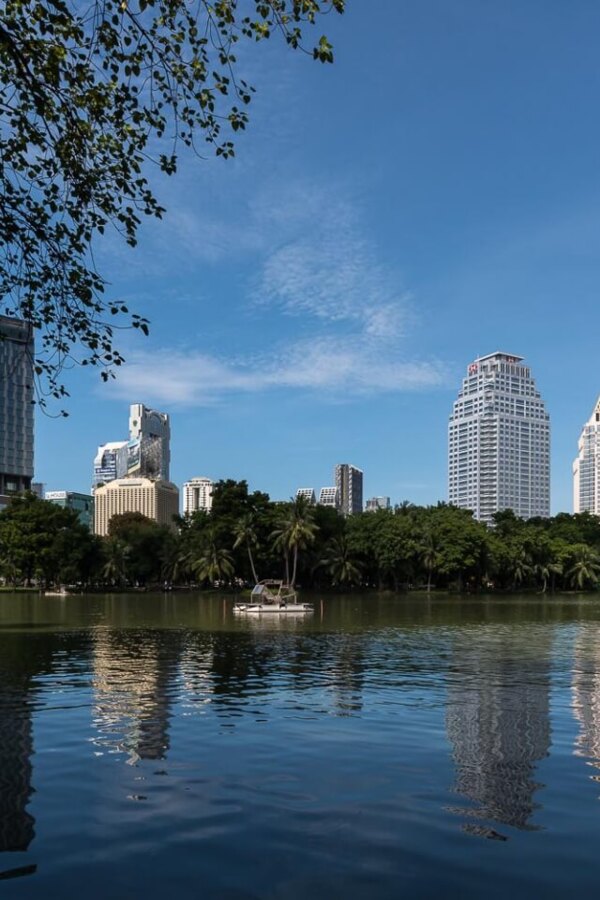
ルンピニ公園はバンコクの中心部にある人気の都市公園で、チャトリウムレジデンスサトーンからすぐの距離にあります。この142エーカーの緑地は、ジョギングコース、パドルボートが楽しめる湖、広々とした芝生があり、屋外活動に最適です。市街地の活気あふれるエネルギーの中で、リラクゼーションやレクリエーションのための静かな憩いの場を提供しています。
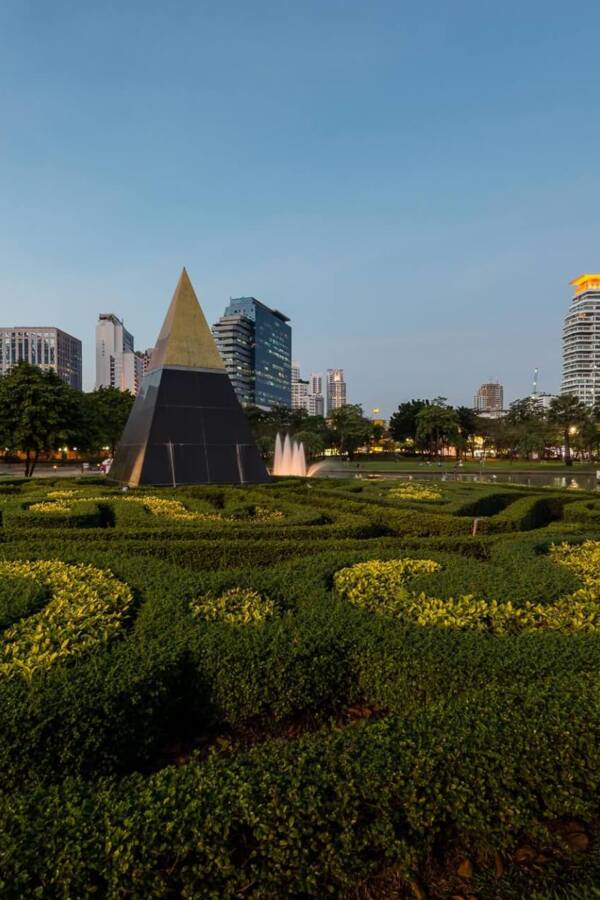
ベンジャキティ公園は、スクンビット地区近くのバンコクの中心部に位置する人気の都市公園です。23.6ヘクタールの敷地を持ち、都市の喧騒からの静かな避難所を提供します。公園には大きな湖、景色の良い散歩道やジョギングコース、自転車道、そしてリラックスできる緑地がたくさんあります。特に都市のスカイラインの美しい景色で有名で、朝のジョギングや夕方の散歩、静かなひとときを過ごすのに最適なスポットです。
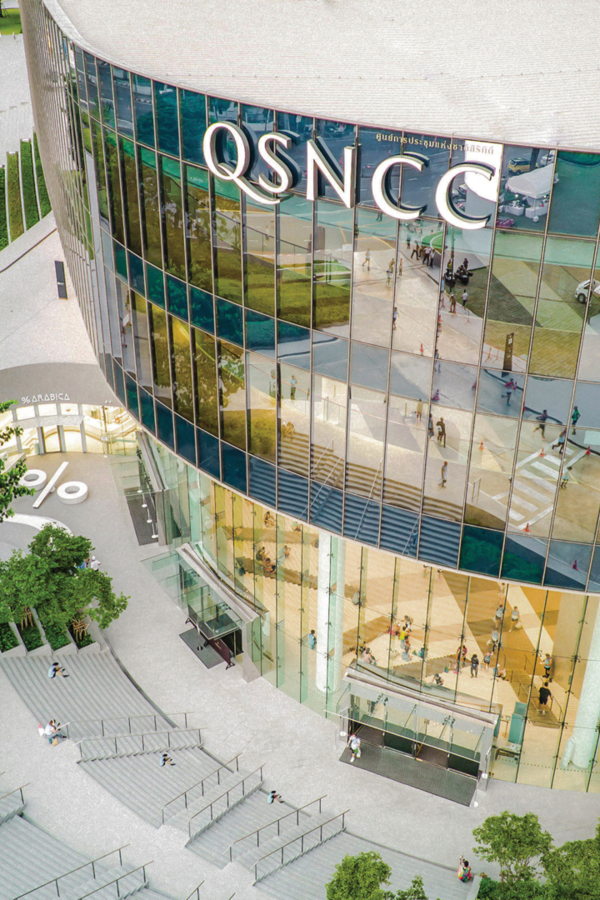
クイーンシリキット国立コンベンションセンター(QSNCCバンコク)は、タイを代表する国際会議場であり、世界クラスの展示会、会議、ライフスタイルイベントの基準を設定しています。市の中心部に位置し、MRTの直結アクセスを備えたQSNCCは、モダンな設備とタイ風のデザインを融合させ、ビジネスと文化のランドマークとなっています。最近拡張され全面改装されたこのセンターは、展示ホール、会議室、グランドボールルームを含む28万平方メートル以上の多目的スペースを提供し、最先端の技術とサービスでサポートしています。ダイニング、ショッピング、レジャーエリアがシームレスに統合されており、QSNCCは単なるコンベンションセンターではなく、ビジネスとライフスタイルが融合する目的地です。国際見本市、国際サミット、またはバンコクの活気ある文化イベントに参加する場合でも、QSNCCバンコクはタイの首都の中心で世界クラスの体験を約束します。
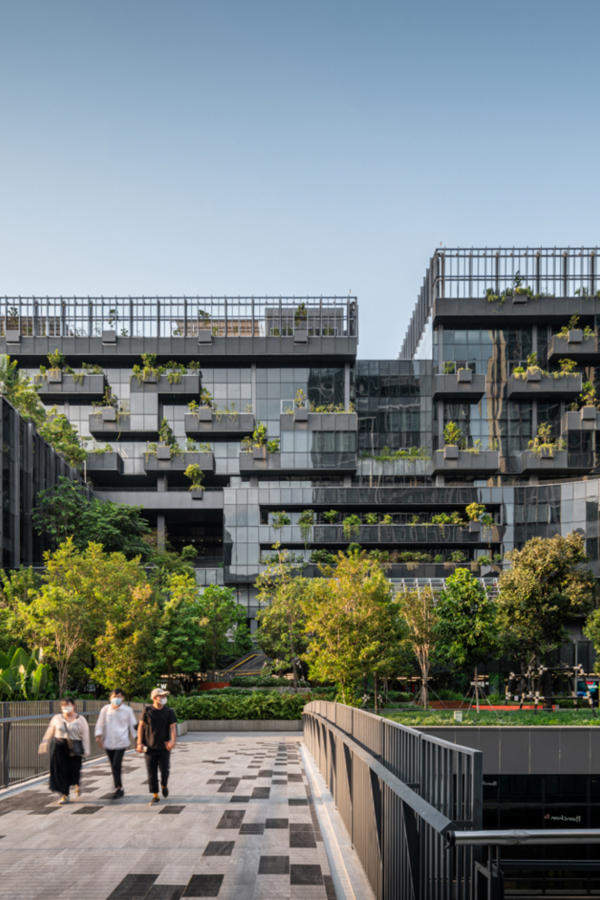
True Digital Park バンコク True Digital Park(TDPK)は、バンコク・スクンビット地区の中心に位置するタイ最大のデジタルイノベーションハブです。スタートアップ、起業家、テクノロジー企業、グローバルイノベーターのための活気あるエコシステムとして設計されたTrue Digital Parkは、単なるオフィス複合施設ではなく、創造性、ビジネス、ライフスタイルが融合する都市の中の都市です。キャンパスはワークスペース、ライフスタイルゾーン、緑地を統合し、コラボレーションとイノベーションのための刺激的な目的地となっています。コワーキングオフィス、イベントホール、ネットワーキングスペースを備え、True Digital Parkはタイの急成長するデジタル経済の拠点となっています。仕事以外にも、TDPKは飲食、ショッピング、フィットネス、レジャースペースを提供し、BTSおよびMRTラインへの直接アクセスもあります。プロフェッショナルが働き、暮らし、遊ぶことができるダイナミックな環境がここにあります。テックイベントに参加したり、スタートアップと協力したり、バンコクの現代的なビジネス文化を探求したりするとき、True Digital Park バンコクはタイにおけるイノベーションの未来を象徴しています。
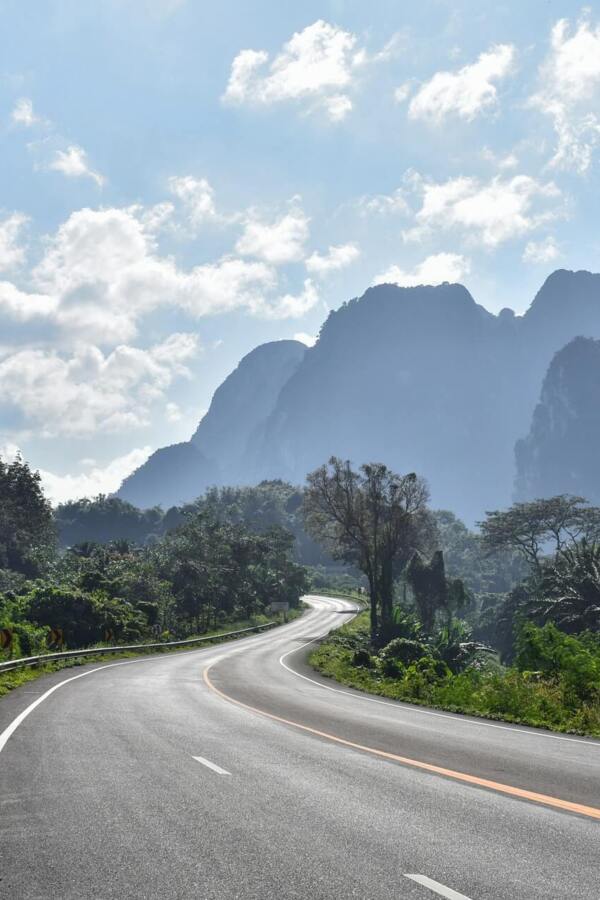
カオヤイ国立公園は、タイで最も愛されている自然の名所のひとつで、ユネスコの世界遺産です。バンコクから約2〜3時間の場所に位置し、この広大な公園は豊かな自然、さまざまな野生生物、美しい滝で有名です。
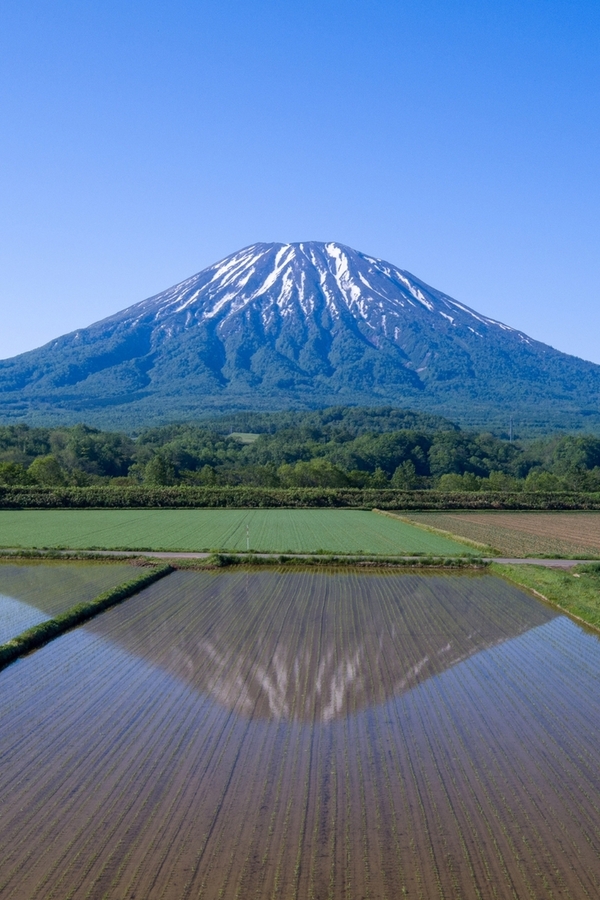
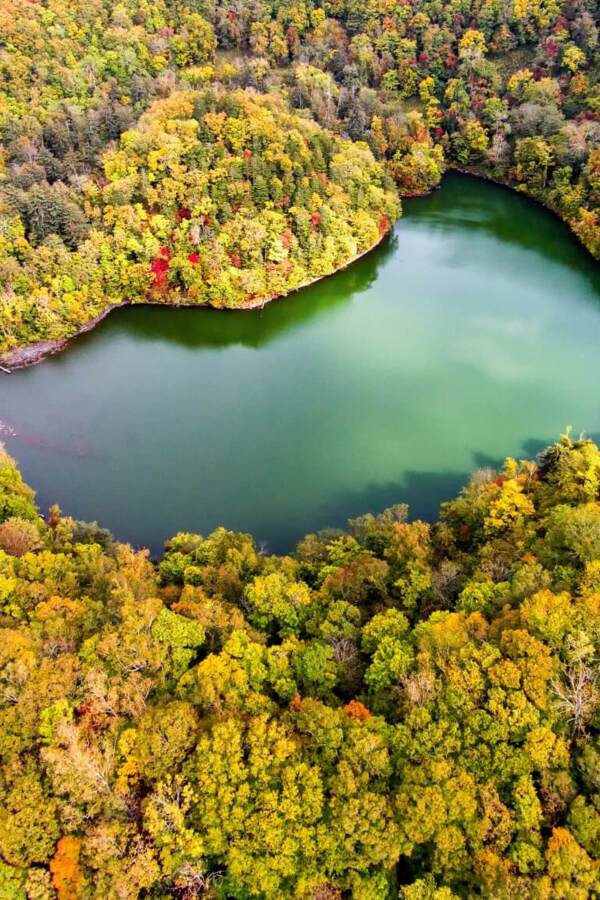
半月湖は羊蹄山の麓に位置する美しい火山湖で、チャトリウムニセコから車で約10分の場所にあります。名前の「半月」は、上空から見ると湖が三日月形をしていることに由来しています。四季を通じて訪れるのに最適な場所で、自然の中を散策したりハイキングを楽しむのに静かな環境を提供します。
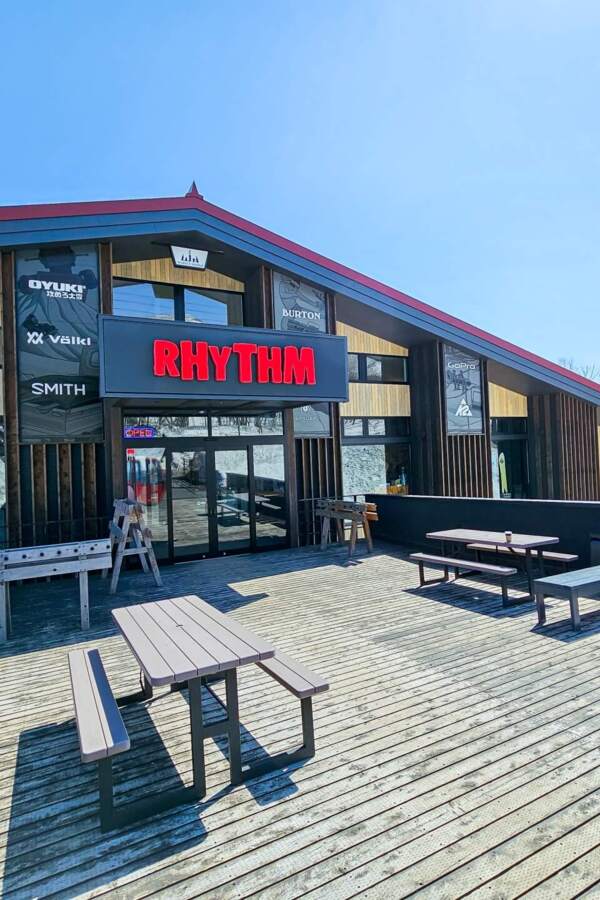
リズムベースは、ニセコのヒラフゴンドラからわずか100メートルの場所にある一流のスノースポーツストアです。2005年に設立され、高品質なスノースポーツ用品と優れたカスタマーサービスで地域で最も信頼される名前の一つに成長しました。リズムベースは、最新かつ信頼性の高いスキー、スノーボード、関連ギアのブランドをレンタルおよび購入の両方で提供していることで知られています。
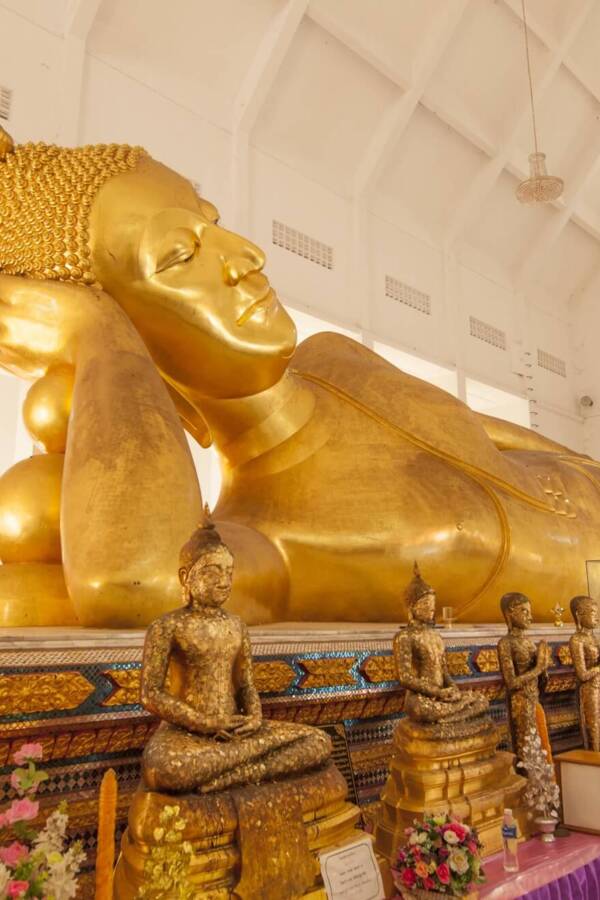
ワット・パイ・ロムはチャムタブリにある歴史的な仏教寺院で、チャトリウム ゴルフ リゾート ソイ ダオ チャムタブリからそう遠くありません。静かな雰囲気で知られており、地元の人々や観光客の両方にとって平和な体験を求める人気の場所です。寺院は大きな涅槃仏像、美しい壁画、そして様々な仏教の教えや伝説を描いた精巧な彫刻など、印象的な建築が特徴です。
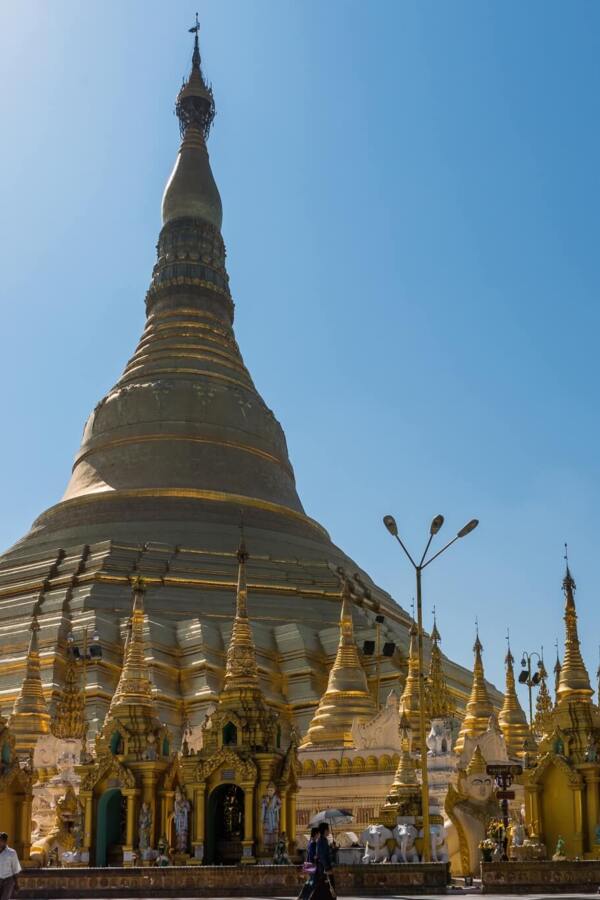
シュエダゴンパゴダはミャンマーで最も有名かつ重要な宗教的遺跡の一つで、ヤンゴンの中心部に位置しています。高さ99メートルの巨大な黄金のストゥーパであり、世界で最も古く、最も尊敬されている仏教のパゴダの一つとされています。このパゴダは、複数の小さな寺院、祠、彫像に囲まれており、精神的な修行と観光の両方の拠点となっています。
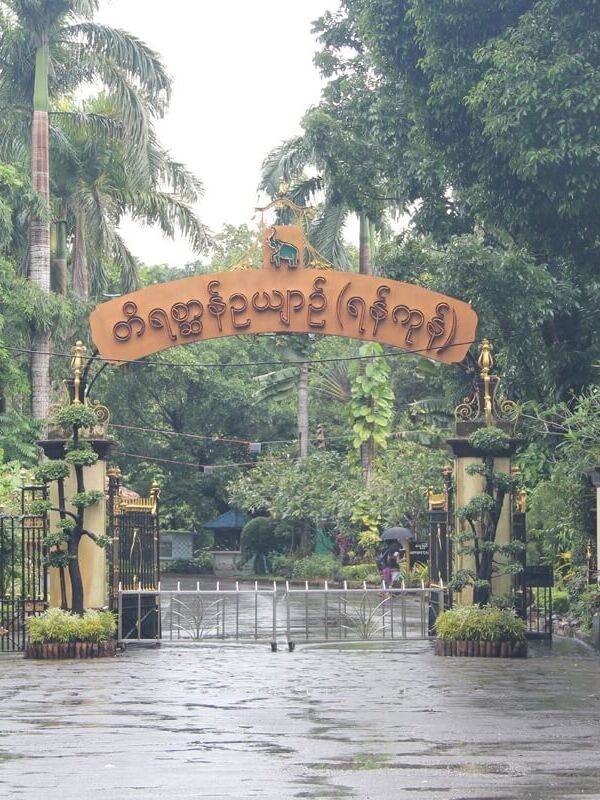
ヤンゴン動物園は、ヤンゴン動物園としても知られており、チャトリウムホテルロイヤルレイクヤンゴンの近くにある人気の観光スポットです。動物園は市の中心部に位置し、カンダウジ湖やシュエダゴンパゴダの近くにあるため、家族連れや動物愛好家、ヤンゴンの文化をもっと探求したい方に便利な目的地です。